Business magnate Sudhir Ruparelia has defended the contribution of Ugandans of Asian origin to the country’s economic growth, saying the community has played a major role in creating jobs, expanding industries, and increasing government tax revenue.
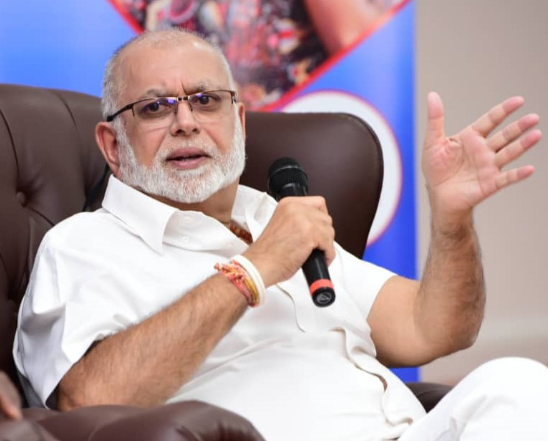
Speaking during a discussion at Crane Chambers in Kampala, Dr. Ruparelia dismissed claims that Asian-owned businesses deny employment opportunities to Ugandans. Instead, he argued that they are among the country’s largest employers and investors.
According to him, the Ruparelia Group employs more than 10,000 Ugandans, making it one of the biggest private-sector employers in the country.
He noted that although Uganda’s Asian community numbers only about 30,000 people in a population of approximately 50 million, it has invested heavily in sectors such as manufacturing, education, hospitality, real estate, and floriculture. He said these investments have created thousands of jobs, strengthened industrialisation, and expanded Uganda’s tax base.
Dr. Ruparelia also revealed the scale of his group’s tax contributions, saying one of its companies pays around Shs2.5 billion in Value Added Tax (VAT) every month and about Shs30 billion in corporation tax annually. He added that he personally remits more than Shs12 billion in taxes each year, alongside Shs9–10 billion in annual VAT, in addition to PAYE, withholding tax, and NSSF obligations paid by the group’s companies.
He described tax payment as both a constitutional obligation and a patriotic responsibility, stressing that responsible businesses must contribute to national development through compliance with tax laws.
Sharing his management philosophy, Dr. Ruparelia attributed the group’s success to disciplined financial management, strong corporate governance, and clearly defined professional responsibilities. He said each business within the conglomerate operates under structured accounting systems that promote transparency and efficiency.
Using the education sector as an example, he explained that school administrators should focus on delivering quality education while qualified finance professionals handle budgeting and accounting.
The veteran entrepreneur also said passion has been central to his business journey, noting that he only invests in ventures he genuinely enjoys because commitment and enthusiasm often translate into better results.
Despite leading one of East Africa’s largest privately owned business groups, Dr. Ruparelia described his personal lifestyle as modest, saying he now prioritises healthy living with light breakfasts and a balanced routine.
He also spoke about his role as Nepal’s Honorary Consul to Uganda, saying the position is voluntary and aimed at strengthening diplomatic, commercial, and cultural ties while assisting Nepali citizens living in Uganda.
Reflecting on Uganda’s economic progress, Dr. Ruparelia praised the country’s transformation over recent decades, pointing to improvements in infrastructure, industrialisation, and property development. He noted that Uganda now has thousands of factories producing goods that were once imported, with locally manufactured products increasingly filling supermarket shelves.
He further observed that while many indigenous entrepreneurs have traditionally focused on trade and real estate, many investors of Asian origin have concentrated on manufacturing, hospitality, and industrial enterprises that create employment and add value to the economy.
Dr. Ruparelia also paid tribute to his late son, Rajiv Ruparelia, describing him as a visionary entrepreneur whose legacy continues through the businesses and projects he championed before his death.
He concluded by saying that his own journey—from arriving in Uganda as a refugee to building one of the region’s largest business empires—demonstrates what can be achieved through resilience, disciplined management, long-term investment, and a commitment to national development.
- Advertisement -