


 of EAPP, Eng. Ziria Tibalwa Waako, said the official launch is expected to be presided over by the Council of Ministers, the supreme governing body of the power pool.)
The regional competitive electricity market under the Eastern Africa Power Pool (EAPP) is scheduled to go live in April 2026, marking a major milestone in efforts to deepen cross-border power trade and strengthen energy security across Eastern Africa.
The Acting Director General of the Independent Regulatory Board (IRB) of EAPP, Eng. Ziria Tibalwa Waako, said the official launch is expected to be presided over by the Council of Ministers, the supreme governing body of the power pool.
Eng. Waako, who also serves as Chief Executive Officer of the Electricity Regulatory Authority (ERA), said the IRB has undertaken key institutional and technical preparations to ensure that once operational, the regional market functions transparently, attracts investment and delivers value for money to participating countries.
“We have taken the necessary steps to ensure that upon going live, the Eastern Africa Electricity Market operates transparently, attracts investments and delivers value for money for all market participants,” she said.
She made the remarks at the conclusion of a week-long study visit to the Southern African Power Pool (SAPP) in Harare, Zimbabwe.
Building regulatory capacity
The study visit, conducted in partnership with GET.transform, was aimed at strengthening the IRB’s institutional and technical capacity to regulate the upcoming regional competitive market. The visit focused on equipping the regulator with practical tools, frameworks and operational practices necessary to oversee cross-border electricity trade.
Among the key areas of focus were transmission pricing and wheeling methodologies, market monitoring and surveillance mechanisms, and cross-border metering systems.
On transmission pricing, the team explored approaches that enable fair, transparent and efficient utilisation of transmission networks across borders. In market monitoring, IRB officials observed live monitoring systems at the SAPP headquarters to better understand mechanisms that safeguard transparency, competition and market stability.
The delegation also examined technical and operational arrangements required for accurate energy accounting under cross-border trade, an essential component for building trust among participating utilities.
The IRB is currently developing procedures for market monitoring and surveillance with funding support from the African Development Bank.

Formal cooperation framework
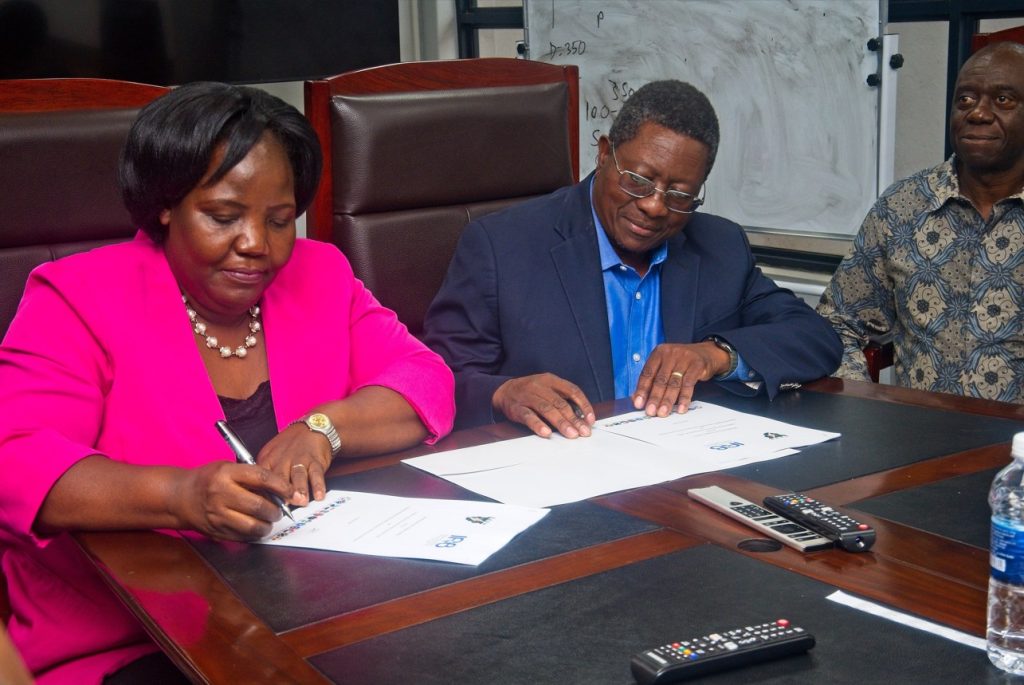
During the visit, the IRB and SAPP signed a Memorandum of Understanding to formalise cooperation between the two institutions. The agreement seeks to promote regional infrastructure integration, enhance power system reliability, affordability and accessibility, and foster a harmonised regulatory environment between the two power pools.
SAPP, established in 1995 under the auspices of the Southern African Development Community, comprises 12 member states and operates one of the continent’s most advanced regional electricity markets.
The Eastern Africa Power Pool, on the other hand, brings together 13 member countries: Burundi, Democratic Republic of Congo, Djibouti, Egypt, Ethiopia, Kenya, Libya, Rwanda, Somalia, Sudan, South Sudan, Tanzania and Uganda.
While some of these countries—including Uganda, Ethiopia, Kenya, Rwanda and Tanzania—already trade electricity on a bilateral basis, the transition to a competitive regional market is expected to enhance efficiency, lower operational costs, improve system reliability and facilitate better integration of renewable energy sources.
Strategic shift for the region
The launch of the regional market comes at a time when Eastern African countries are investing heavily in power generation and transmission infrastructure to meet growing demand and expand access.
By moving from bilateral arrangements to a structured competitive platform, policymakers anticipate improved price discovery, reduced power shortages and stronger incentives for private investment in generation and transmission projects.
The study visit was supported by #ENGAGE, a project funded by Germany’s Federal Ministry for Economic Cooperation and Development (BMZ), aimed at accelerating the energy transition in Africa by strengthening institutional and regulatory frameworks for renewable energy investments.
As April 2026 approaches, regulators say the focus will remain on finalising operational rules, strengthening monitoring systems and ensuring member states are technically and institutionally ready for the market’s official launch.