



KYENGERA — Religious leaders from different faith traditions have called for stronger interreligious cooperation, warning that rising intolerance, misinformation and social divisions threaten efforts to build peaceful and inclusive societies.
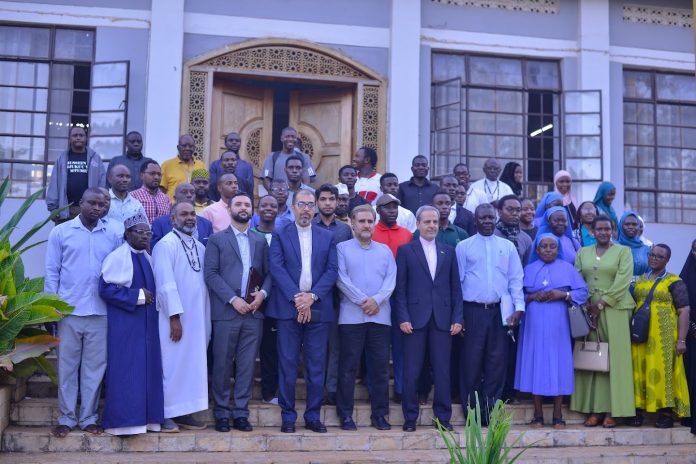
The call was made during an Interfaith Dialogue Symposium held at Al-Mustafa Islamic College in Kyengera, Wakiso District. The event was organised by the Cultural Consulate of the Embassy of the Islamic Republic of Iran in Uganda in partnership with the college and attracted diplomats, clerics, academics and peace advocates from Uganda and beyond.
The symposium was attended by the Ambassador of the Islamic Republic of Iran to Uganda, H.E. Majid Saffar; the Embassy’s Cultural Counsellor, Mr. Rezaei Ali Asghar; the Rector of Al-Mustafa Islamic College, Dr. Rouhollah Dehghani; the college’s Vice Director and Deputy for Research, Dr. Seyed Mohammad Reza Mohaddes; First Secretary Mr. Mohsen Aghaloo; the Inter-Religious Council of Uganda’s Team Leader for Peace and Dialogue, Ms Joanna Nakabito; Fr. Kasule Charles of the Missionaries of Africa; Fr. JohnBosco Sendala of the Archdiocese of Kampala; and Fr. Vincent Karatunga, Executive Secretary for Interreligious Dialogue and Ecumenism at the Uganda Catholic Secretariat.
Opening the symposium, Dr. Dehghani said religion remains a powerful force for promoting unity and moral responsibility when founded on truth and mutual respect.
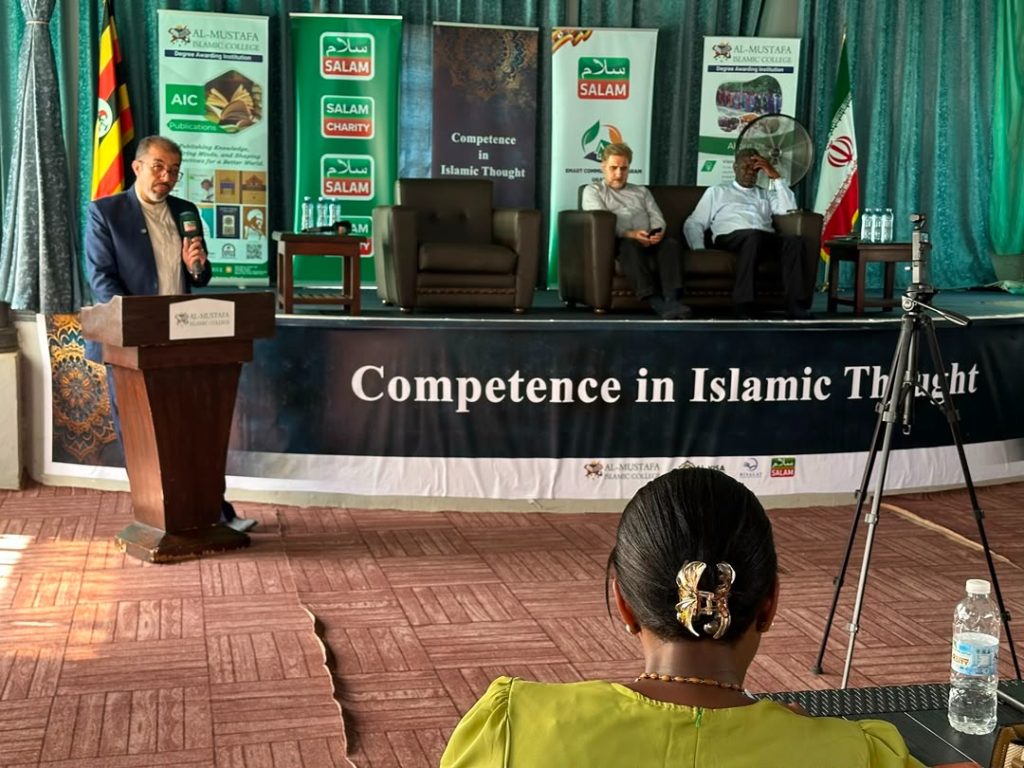
He cautioned that misinformation and growing social fragmentation continue to weaken moral values, urging believers to embrace dialogue as a means of restoring trust and promoting peaceful coexistence.
“All revealed religions are rooted in reason and divine guidance. We should use the knowledge we acquire through such engagements to address the challenges affecting our communities today,” he said.
Speaking on behalf of the Embassy of the Islamic Republic of Iran, Mr. Rezaei described interfaith dialogue as an essential pillar for achieving justice, reconciliation and sustainable peace.
He led participants in observing a moment of silence for victims of wars and violence across the world before paying tribute to religious leaders whose lifelong commitment to peace has inspired communities across generations.
He said genuine religion teaches compassion, mercy and service to humanity, adding that meaningful dialogue begins with listening and understanding rather than seeking superiority over others.
Mr. Rezaei further highlighted Iran’s centuries-old tradition of religious coexistence and pledged continued collaboration with Ugandan religious institutions through research partnerships, cultural exchanges and academic programmes aimed at strengthening mutual understanding.
Representing the Inter-Religious Council of Uganda, Ms Nakabito said the Council has spent more than two decades promoting dialogue among Uganda’s diverse religious communities.
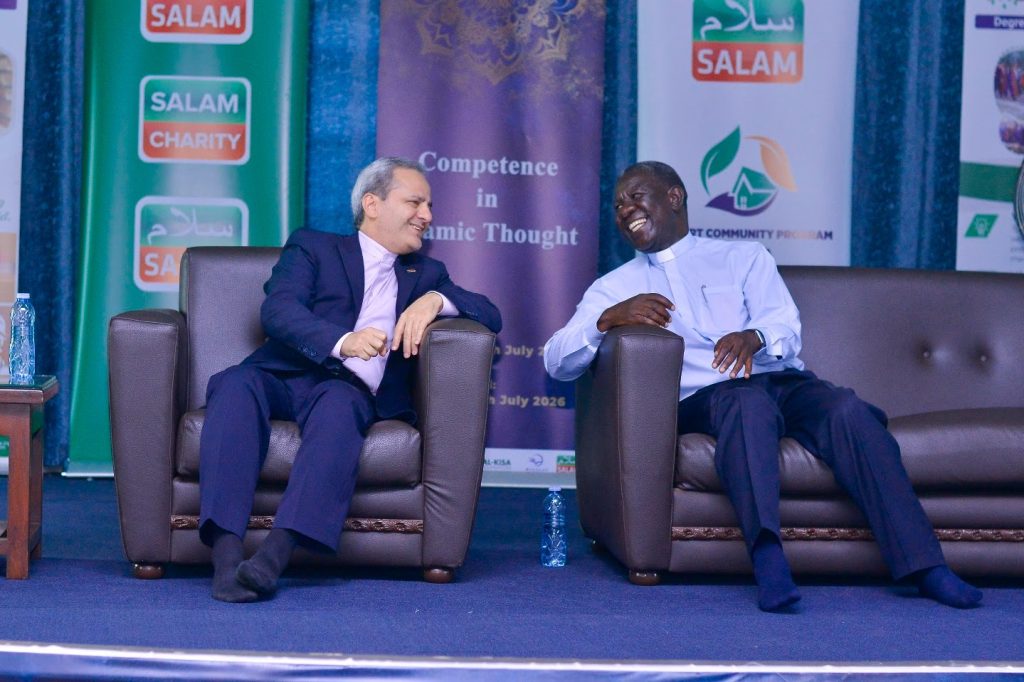
She commended the cordial relationship between the Council and the Iranian Embassy, noting that both institutions have worked together on initiatives promoting peaceful coexistence and respect for human dignity.
She specifically recalled the cooperation witnessed during the visit of the late Iranian President Ebrahim Raisi to Uganda and expressed confidence that the partnership would continue to grow.
Contributing to the discussions, Tanzanian scholar Alhaji Uthman Ramadhan Rwantalo shared experiences from faith-based HIV/AIDS awareness campaigns, saying collaboration among religious leaders had helped break stigma, improve community awareness and save lives.
Fr. Kasule Charles drew on his missionary work in Niger, where Muslims and Christians have successfully worked together through regular dialogue, community visits and joint workshops.
He said sustained engagement had helped eliminate misconceptions and foster trust between the two communities.
Fr. JohnBosco Sendala reflected on his years of study and pastoral work in Cairo, Egypt, saying his interaction with Muslims enabled him to appreciate the shared values of respect, dignity and peaceful coexistence upheld by both Christianity and Islam.
He challenged religious leaders to remain united in confronting discrimination, ignorance and hatred.
Dr. Mohaddes said interfaith engagement provides an opportunity for believers to discover common values while respecting theological differences.
He argued that dialogue helps dismantle stereotypes, reduces prejudice and creates room for cooperation in addressing pressing social issues such as conflict, poverty and moral decline.
He also noted that Christianity and Islam share important beliefs concerning the coming of the Messiah, which can serve as a foundation for greater understanding.
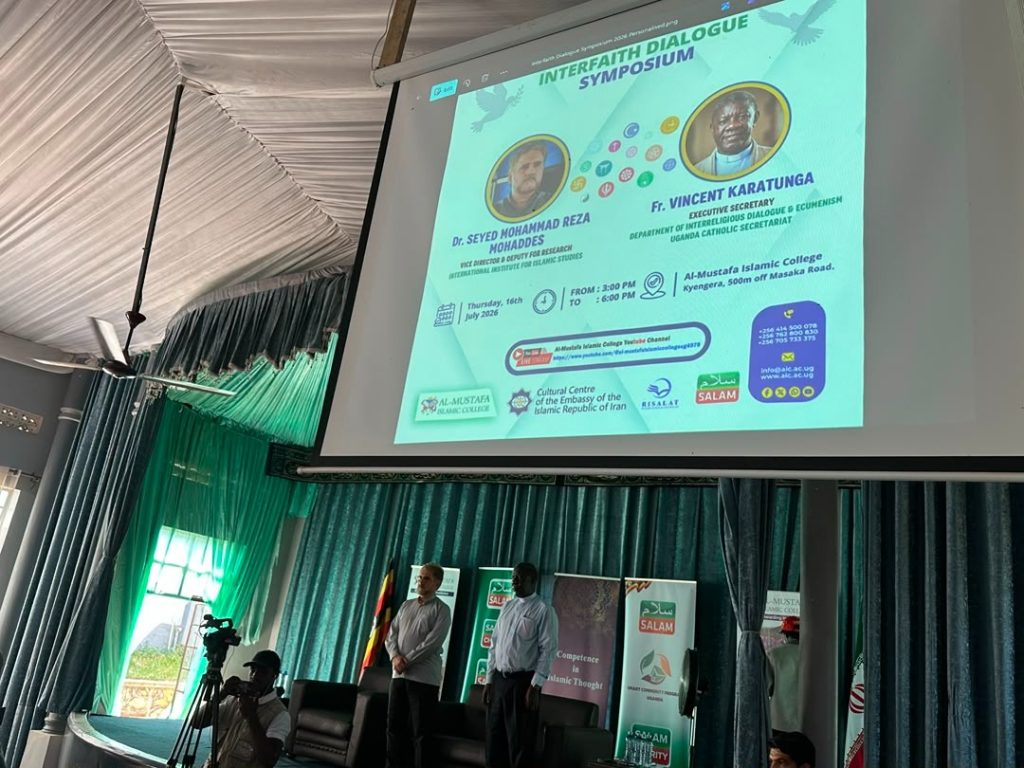
Delivering the keynote address, Fr. Vincent Karatunga said the future of peaceful societies depends on the willingness of religious communities to engage one another with openness and sincerity.
Quoting the Catholic Church’s declaration Nostra Aetate, he explained that interreligious dialogue extends beyond theological discussions to include daily interactions, joint community action and shared spiritual experiences.
He urged religious institutions to move beyond historical divisions and instead become centres of reconciliation, justice and human solidarity.
He further challenged faith leaders to take an active role in combating misinformation, religious extremism and moral decay through responsible leadership and education.
As the symposium concluded, participants resolved to strengthen collaboration among different faith communities, expand platforms for dialogue and continue working together to promote tolerance, mutual respect and peaceful coexistence.
They expressed optimism that sustained engagement among religious institutions would contribute significantly to building a more united, stable and harmonious society in Uganda and beyond.