

, and the party secretariat to intervene in what she described as unfair practices threatening to undermine the ongoing Women Council elections.)
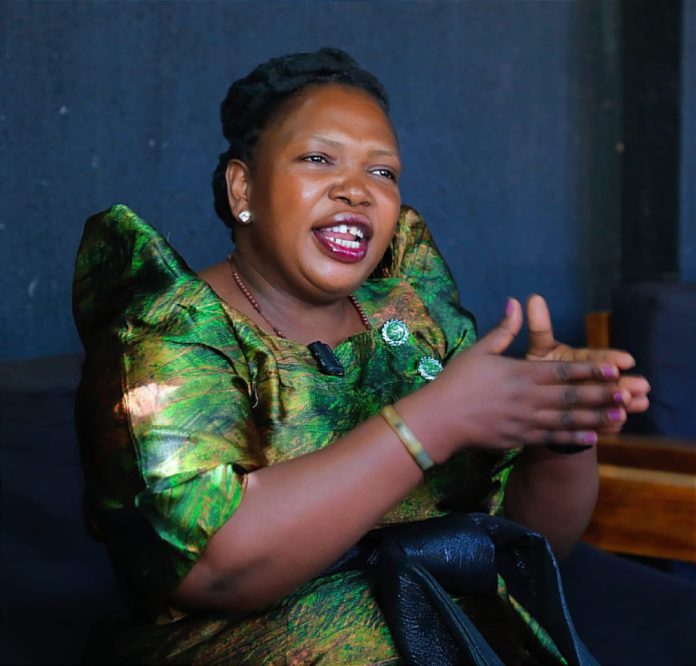
Kampala: National Women Council chairperson aspirant Irene Adokorach has appealed to President Yoweri Museveni, in his capacity as National Chairman of the National Resistance Movement (NRM), and the party secretariat to intervene in what she described as unfair practices threatening to undermine the ongoing Women Council elections.
Adokorach wants the NRM leadership to ensure that all candidates are given equal opportunity to interact with delegates, present their manifestos and campaign for their preferred positions ahead of the national Women Council elections.
The appeal comes as the race for the top position of the National Women Council intensifies, with Adokorach among the candidates seeking to lead the women’s structure.
Speaking during a media engagement on Monday, Adokorach said she was concerned about reports that some delegates were being kept away from candidates, making it difficult for aspirants to explain their programmes and seek support.
She said some delegates were allegedly inaccessible, with their phones switched off, raising questions about how candidates are expected to conduct meaningful campaigns and how delegates can make informed decisions.
“How are you going to put a manifesto where all the delegates are kept? Why should we keep delegates? And yet this is an opportunity where every woman should come out,” Adokorach asked.
She called on the NRM Secretariat to urgently address the matter, particularly if the party is responsible for organising the primary election, arguing that every candidate should be allowed to engage with the electorate without intimidation or restrictions.
“NRM Secretariat, it is a call that if it is NRM party mobilising or organising for this primary election, we request that right now women should be released wherever they are kept. Let them come out. We have a word with them,” she said.
Adokorach further appealed to President Museveni, whom she referred to as the NRM National Chairman, to personally take interest in the concerns being raised by women participating in the contest.
She said the party leadership should ensure that the electoral ground is levelled for all candidates, regardless of their financial strength, political connections or access to influential individuals.
“We call upon the President of the Republic of Uganda that this matter, you should really take it into consideration. Look at the women, look at us. We are crying before you that the ground should be levelled to each and every woman,” she said.
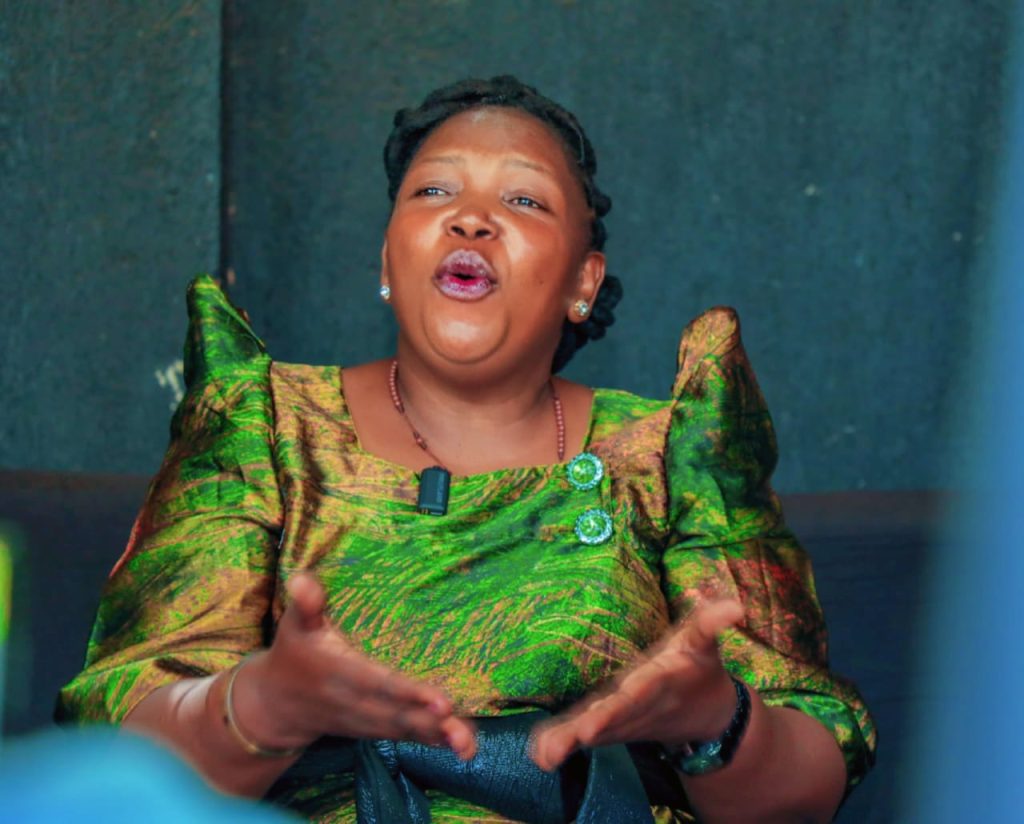
According to Adokorach, the Women Council elections present an important opportunity for women to choose leaders capable of articulating their concerns and advancing their interests, and should therefore not be reduced to a contest of financial muscle.
She criticised what she described as the growing influence of money and political “godfathers” in elections, saying such practices could prevent competent women without powerful sponsors from offering themselves for leadership.
“Politics has come to a level that if you don’t have the money, you don’t go through. But why should we put money ahead of everything we are doing?” she asked.
“Some of us do not have what we call godfathers. But then, if I don’t have a godfather, should I not show my interest? Should I not really be given a platform to talk to the women?”
Adokorach said the NRM, as a party that has historically promoted women’s participation in leadership, should demonstrate those principles by ensuring fairness in its electoral processes.
She argued that restricting access to delegates would not only disadvantage individual candidates but would also deny women voters the opportunity to compare different manifestos before making their choice.
“If you don’t talk to a woman, you will not get a very good leader,” she said.
Adokorach said she was not challenging the work of the outgoing National Women Council leadership, which she acknowledged for helping to raise the profile of the council and making it a recognised platform for women.
Instead, she said her decision to contest was motivated by the need to build on that foundation and make the council more responsive to women at the grassroots.
“The council worked, but the next council that is going to take office, we need people who are capable,” she said.
She particularly wants the council to focus more on rural women, arguing that discussions about women’s empowerment should not be concentrated in urban centres while women in villages continue to face challenges with limited access to opportunities and representation.
“Empowerment should not be talked about in urban settings. But let’s talk about that rural woman in Kiryandongo district, in Gulu, in Mbarara, everywhere,” she said.
Adokorach said the National Women Council should become a stronger platform through which women from the grassroots can articulate their concerns, participate in decision-making and benefit from government programmes.
She also congratulated women who had won the various district-level Women Council elections and encouraged those who lost not to abandon politics.
“I know it has not been something simple. The way we’ve always been taking politics, the narrative has changed. Women Council used to be something very simple. But from the experience that we’ve gone through, it has not been easy,” she said.
Adokorach reminded the unsuccessful candidates that political contests produce winners and losers and urged them to continue participating in public affairs.
“In everything we do, we should get to know that in politics, you either win or you lose,” she said.
The aspirant also thanked President Museveni for providing women with an opportunity to participate in the electoral process and thanked Hajjat Hadijah Namyalo, whom she described as her boss, for giving her a platform and skills through her mobilisation work.
“I have mobilised the country to support NRM party. You’ve given us the skills and we’ll always appreciate you. We can talk about NRM with a voice because we know where the skills came from,” Adokorach said.
She said her experience in grassroots mobilisation had given her an understanding of the challenges facing ordinary women and would inform her leadership agenda if elected.
Adokorach ended her appeal by urging women delegates to judge candidates on their competence, ideas, leadership capacity and commitment to women’s welfare rather than their financial standing.
She maintained that she would continue with her campaign regardless of whether she had the financial resources of some of her competitors.
“Whether with money or without money, we are there,” she said.
Adokorach’s call comes at a time when the national Women Council race is attracting increasing political attention, with several candidates seeking to take charge of the national structure.
For Adokorach, the immediate priority is not only winning the election but ensuring that every candidate is given a fair opportunity to reach the women who will ultimately determine the next leadership of the council.
She urged the NRM National Chairman and the party secretariat to intervene, release delegates for interaction with candidates and ensure that the contest is conducted on a level playing field.
“How will you get to know about Irene’s manifesto if someone is hiding?” she asked.