
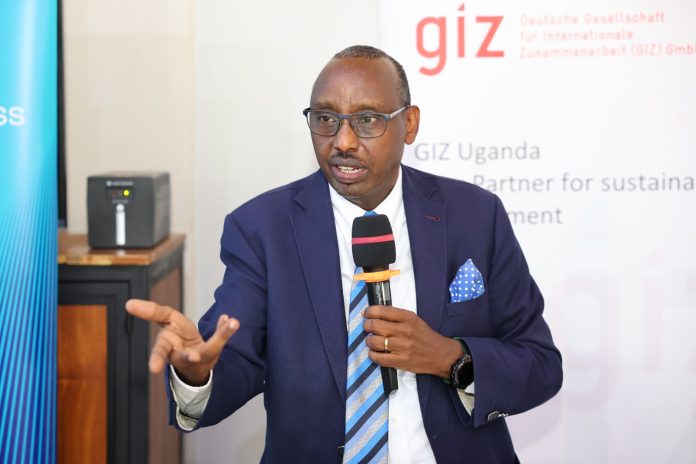

 programme, working in partnership with the Private Sector Foundation Uganda (PSFU) and the Ministry of Energy and Mineral Development (MEMD), successfully concluded the Demand-Side Subsidy (DSS) pilot, bringing affordable clean energy solutions to more than 66,700 households in refugee-hosting and vulnerable communities across Uganda. The closing ceremony was held on June 10th, at Fairway Hotel in Kampala)
Kampala, Uganda – The Energising Development (EnDev) programme, working in partnership with the Private Sector Foundation Uganda (PSFU) and the Ministry of Energy and Mineral Development (MEMD), successfully concluded the Demand-Side Subsidy (DSS) pilot, bringing affordable clean energy solutions to more than 66,700 households in refugee-hosting and vulnerable communities across Uganda. The closing ceremony was held on June 10th, at Fairway Hotel in Kampala
Implemented by PSFU as the Fund Manager and implementing partner, the pilot enabled thousands of low-income families to purchase quality-certified clean energy products through targeted subsidies that reduced prices while preserving commercial market principles.

The initiative reached communities in Northern Uganda, Kamwenge, Kyegegwa and Kiryandongo, providing access to solar lanterns, solar home systems, improved cookstoves, electric pressure cookers and ethanol stoves.
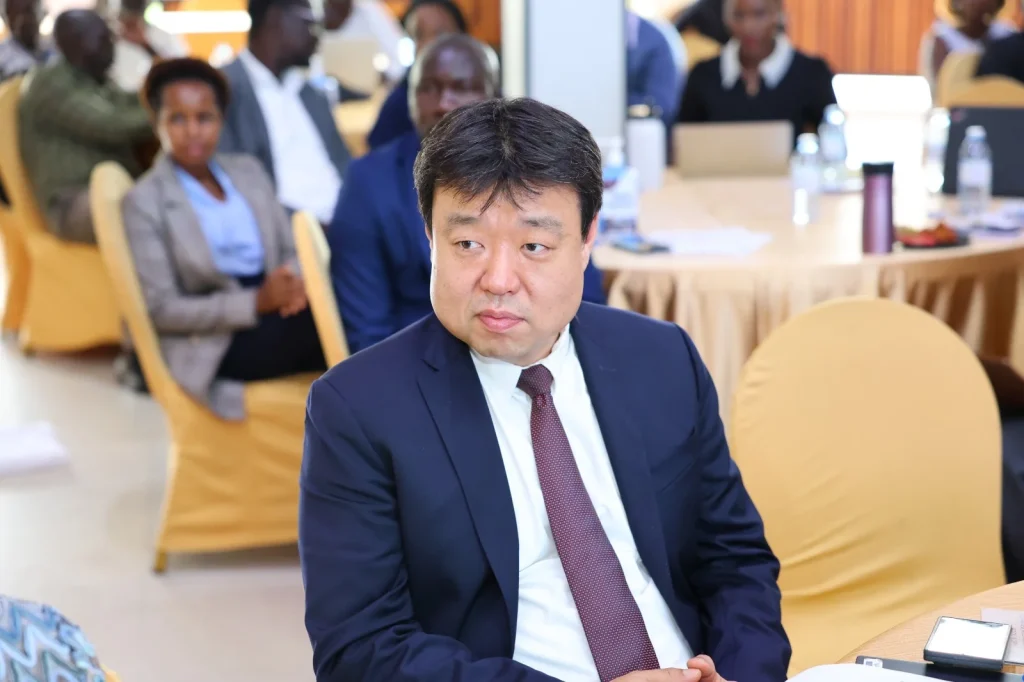
“The DSS pilot demonstrates that targeted, time-bound buyer subsidies can unlock demand without undermining markets,” said Un-Young Yong, Head of Project, EnDev. “By focusing on quality products and verifiable price reductions, we enabled vulnerable households to adopt clean energy while strengthening private distribution networks.”
PSFU Chief Executive Officer Stephen Asiimwe said the project demonstrates the transformative role of public-private partnerships in addressing Uganda’s energy access challenges.
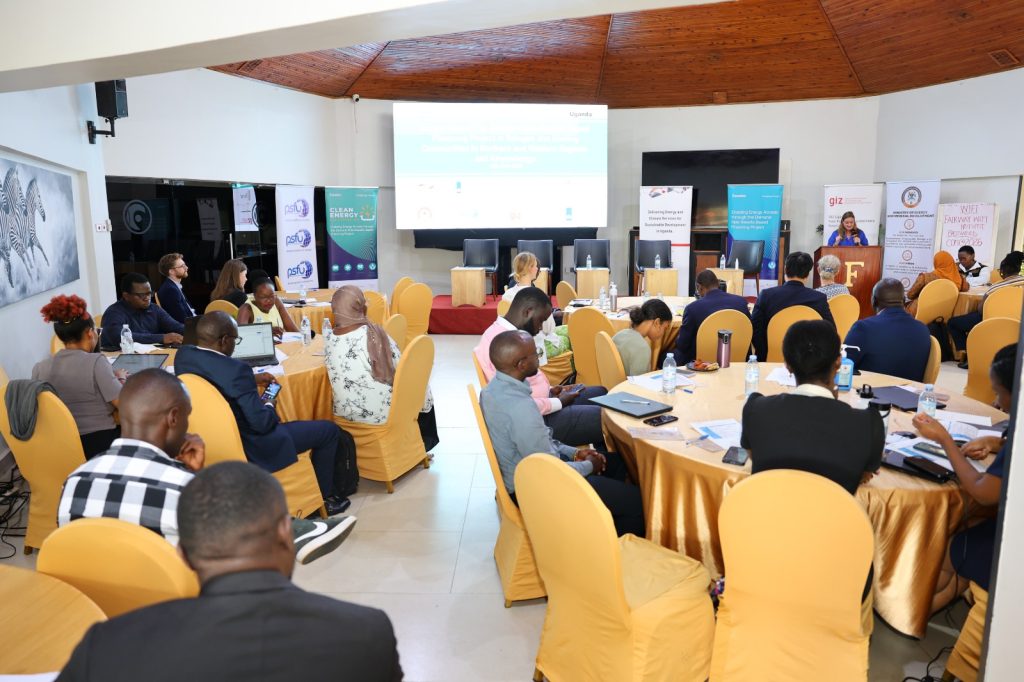
“This pilot demonstrates that when development partners, government and the private sector work together, we can make clean energy both accessible and affordable for the people who need it most. Beyond improving lives, the project has strengthened Uganda’s clean energy market by empowering local businesses to reach underserved communities. PSFU is proud to have managed a model that delivers lasting social impact while supporting private sector growth,” Asiimwe said.
Customer eligibility was digitally verified using Kobo Toolbox, while independent verification agencies confirmed every subsidised sale before incentive payments were made to participating energy companies.
Francis Kajura, DSRBF Project Manager at PSFU, said the programme delivered benefits beyond energy access.
“The project has improved household welfare by reducing reliance on traditional fuels, lowering indoor air pollution, improving safety, saving families money and creating better conditions for health, education and livelihoods. At the same time, it strengthened private sector participation, with 20 energy service companies extending their services into underserved communities,” Kajura said.
Lessons from the pilot will inform future programmes, including the Electricity Access Scale-up Project (EASP), while contributing to global knowledge on end-user subsidy models.