
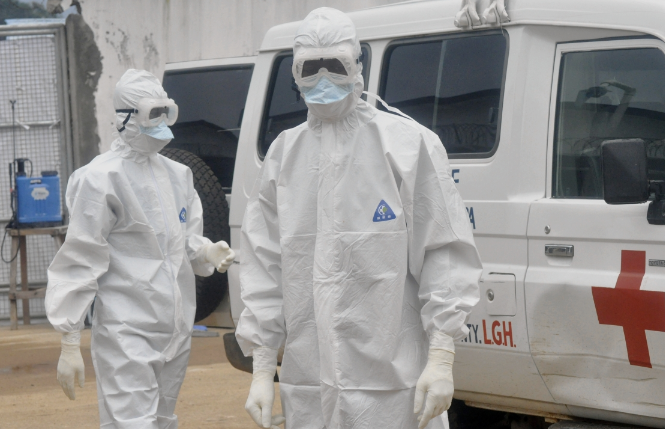


Health authorities in Uganda have confirmed an imported Ebola case after a 59-year-old Congolese national died while receiving treatment at a hospital in Kampala.
According to the Ministry of Health, the man was admitted to Kibuli Muslim Hospital on May 11 after developing severe symptoms including high fever, difficulty breathing, abdominal complications and general weakness.
His condition later deteriorated, and he passed away on Thursday while in intensive care after showing signs of internal bleeding.Laboratory tests carried out after his death confirmed that he had contracted the Bundibugyo strain of the Ebola virus, a rare but dangerous variant first identified in Uganda in 2007.
Officials said the deceased’s body was immediately transported back to the Democratic Republic of Congo for burial arrangements. Medical teams have since identified and isolated all individuals who had close contact with him, including healthcare workers, relatives and friends, as part of strict containment measures.
The Ministry of Health emphasized that there is currently no evidence of local transmission within Uganda and reassured the public that the situation remains under control.The confirmed case comes as the Democratic Republic of Congo faces another Ebola outbreak, with infections concentrated in the eastern Ituri Province, particularly in Mongbwalu and Rwampara health zones.
Reports indicate that suspected infections have also surfaced in Bunia, increasing concern among regional health agencies.The Africa Centres for Disease Control and Prevention recently reported hundreds of suspected infections and dozens of deaths linked to the outbreak.
Health experts warn that the Bundibugyo strain remains difficult to manage because there is no approved vaccine or targeted treatment, leaving supportive medical care as the primary response option.Uganda has stepped up screening at border points and deployed rapid response teams to strengthen surveillance, drawing on experience from successfully containing previous Ebola importations.
Regional health authorities are expected to meet soon to coordinate cross-border preparedness and response strategies as monitoring continues.