




For three days, the Kampala Writes LitFest 2026 gave readers and writers a place to meet, exchange ideas and imagine where African literature could go next. Yet, away from the busy festival grounds, another important conversation was taking shape.
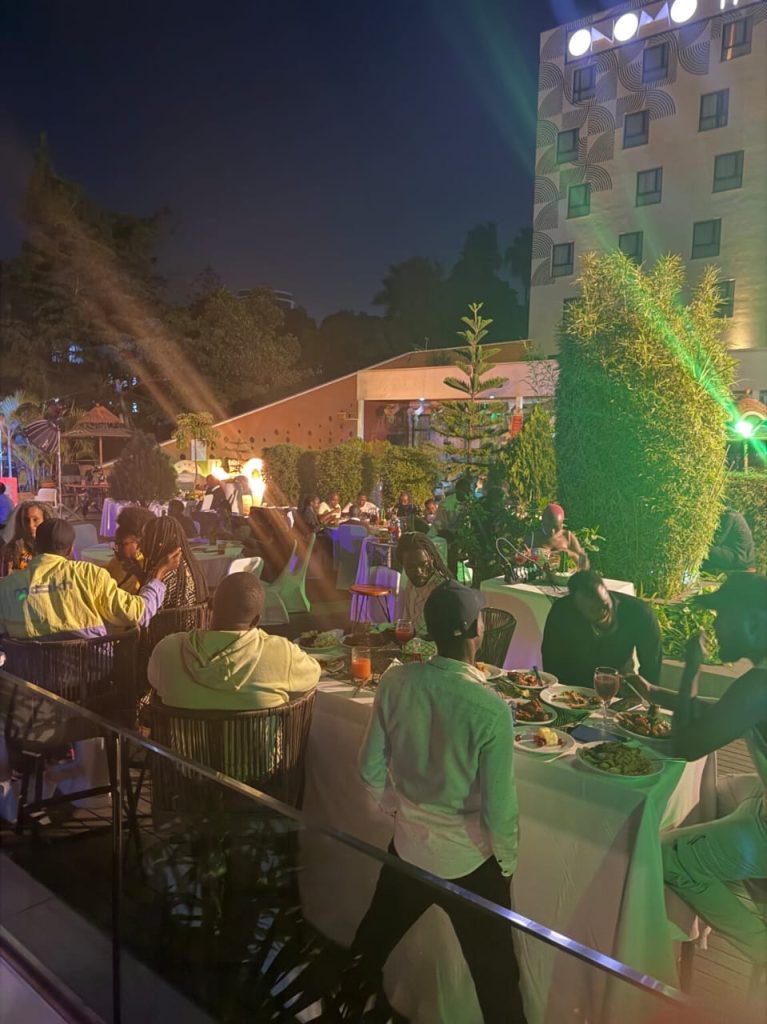
On Saturday evening, August 29, Nairobi-based publisher eKitabu brought together a select group of writers, editors and cultural leaders for an intimate cocktail reception at Onomo Hotel on Nakasero Hill. While hundreds of festivalgoers continued moving between panels, book launches and workshops at the Uganda National Cultural Centre, the gathering on Akii Bua Road created a quieter space for conversations about the business behind the books.
The contrast was striking. At the National Theatre, writers shared their work with a public audience. At Onomo, the conversation moved deeper into the mechanics of publishing, distribution and sustainability across Africa.
That made the reception a fitting extension of Kampala Writes LitFest rather than simply an evening gathering.
Founded in 2024 by the Goethe-Zentrum Kampala and Uganda German Cultural Society, the festival has quickly grown into a significant literary platform. Curated by acclaimed Ugandan author Goretti Kyomuhendo, this year’s edition explored the theme “Where Stories Begin: The Imaginary and the Art of Possibility.”
From August 28 to 30, more than 50 continental speakers took part in 12 sessions that examined everything from the craft of writing to the systems that allow writers to build sustainable careers.
Award-winning Nigerian novelist Chika Unigwe, the festival’s keynote guest, brought particular attention to the realities of sustaining a writing life across continents. Elsewhere, conversations around speculative fiction brought together voices including Dilman Dila, Mirrianne Mahn and Philisiwe Twijnstra, while Ghanaian producer Ama Dadson explored the growing role of audiobooks and podcasts in expanding African readership.
The festival also pushed beyond traditional literary boundaries, connecting writers with visual artists and fashion designers to examine how stories and creative ideas emerge across disciplines.
Then came the transition to Nakasero.
Onomo Hotel carried its own piece of Kampala Writes history. The venue hosted the festival’s inaugural 2024 edition before the event moved to larger public spaces, including Makerere University’s Yusuf Lule Auditorium in 2025 and the National Theatre in 2026.
Returning to the Nakasero venue therefore created an interesting full-circle moment. After a day of public conversations and performances, the more intimate setting allowed writers and industry figures to move from discussing literature to discussing what happens when those stories enter the marketplace.
At the centre of those conversations was eKitabu.
Founded in Nairobi in 2012 by CEO Will Clurman, eKitabu initially developed its publishing infrastructure around digital education, accessible formats and mobile distribution. Its work has included accessible publishing in African sign languages and braille.

However, the company has continued to expand. Through its adult trade imprint Mvua Press, launched in late 2024, and children’s imprint Maua Books, eKitabu has moved further into contemporary fiction, poetry and narrative non-fiction.
That growing ecosystem provided an important backdrop to the conversations at Onomo. Authors and publishing professionals explored the realities of getting African books beyond their countries of origin and into wider regional and international markets.
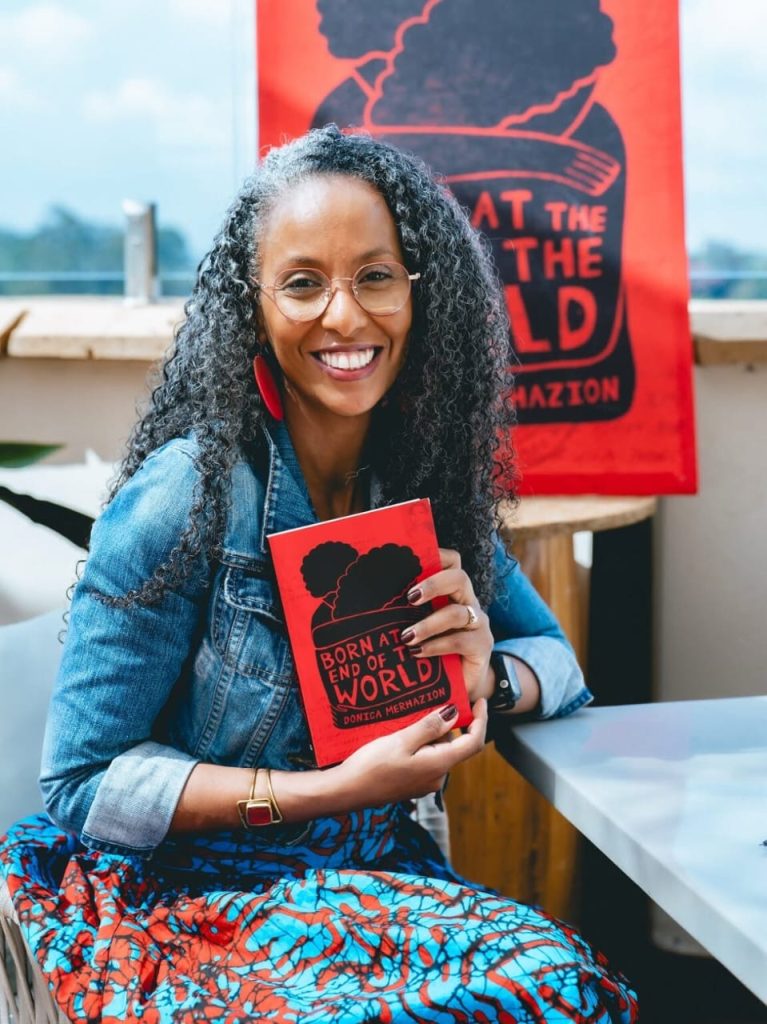
Among those present was Donica Merhazion, whose debut novel Born at the End of the World, co-published by Mvua Press and Catalyst Press in February 2026, examines personal and political survival in 1970s Ethiopia and Eritrea.
Kampala-born poet Tramaine Suubi also brought a distinctive perspective. An Iowa Writers’ Workshop alumna, Suubi has published phases and stages through Amistad and HarperCollins, while incorporating Luganda linguistic structures into international publishing spaces.
For Betty Kilonzo, the conversation connected directly to her own publishing journey. The author of Closure, Jerusalemand Househelp Manual, founder of Blackstartales and consulting editor at eKitabu, spoke about the practical realities of moving from self-publishing into formal corporate trade distribution across East Africa.
Meanwhile, Chika Unigwe used the wider festival conversation to underline the importance of regional literary spaces where African writers can exchange ideas without depending entirely on Western gatekeeping.
That idea resonated with the broader purpose of Kampala Writes. Sheila Akwany, Director of Goethe-Zentrum Kampala and the Uganda German Cultural Society, emphasised the importance of creating permanent and recurring infrastructure for peer-to-peer writer networks in Uganda.
The discussions also brought the economic side of publishing into sharp focus. Educational books continue to dominate much of Africa’s publishing market, while trade fiction and poetry face challenges that include cross-border customs tariffs within the East African Community, limited distribution networks and inconsistent retail presence.
Against that backdrop, eKitabu’s model offers several routes into the market. Its approach combines digital delivery, rights licensing, physical distribution and in-house audio production through Studio KSL.
The reception therefore became more than an exclusive evening for literary professionals. It offered a glimpse into the conversations that must happen if African literature is to become more sustainable on its own terms.
By the time Kampala Writes LitFest 2026 came to an end, the festival had achieved more than three days of literary programming. It had created a meeting point for writers, readers, publishers and cultural institutions, while the eKitabu reception extended that conversation into the business, infrastructure and relationships that support African storytelling.
And perhaps that was the most fitting conclusion.
Stories may begin with imagination, but they need communities, platforms and sustainable systems to travel. In Kampala, Kigali, Nairobi and beyond, the future of African literature will depend not only on who writes the next story, but also on who creates the pathways that allow readers to find it.