
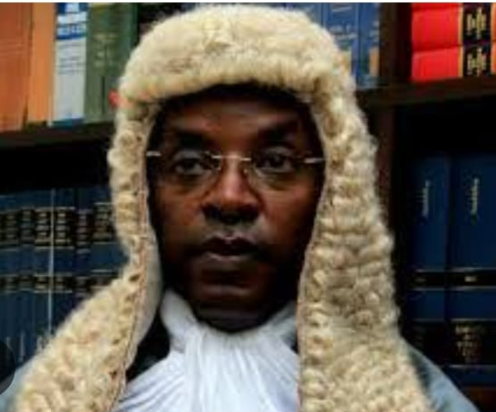



The Chief Justice of Uganda, Flavian Zeija, has urged judicial officers across the country to place public interest at the centre of their work and rise above personal biases when dispensing justice.
Speaking during the Judiciary’s first Iftar dinner held in Kampala over the weekend, Justice Zeija emphasised that the role of a judge goes beyond interpreting statutes and legal provisions.
He said those entrusted with administering justice must be guided by integrity, conscience and a deep sense of moral responsibility.
Drawing inspiration from the holy month of Ramadan, the Chief Justice noted that the values of patience, self-discipline and reflection associated with the fasting period mirror the qualities expected of judicial officers.
He said the occasion was not only about breaking the fast, but also about reaffirming shared principles that strengthen the justice system.
“Justice must be rooted not only in the law, but also in conscience,” he told attendees, stressing that ethical conduct is fundamental to maintaining public trust in the Judiciary.
Justice Zeija also recognised the role played by religious leaders, especially Muslim clerics, in promoting harmony through mediation and reconciliation within communities.
He said such efforts complement formal judicial processes by helping resolve disputes amicably.
The Principal Judge, Jane Frances Abodo, described the Iftar gathering as an important milestone in fostering inclusivity and unity within the Judiciary.
She underscored the importance of empathy and accountability in ensuring fairness in court proceedings.
The event was organised by the Judiciary Muslim Association under the patronage of Musa Ssekaana. During the dinner, plans were announced to establish a Muslim Judiciary Savings and Credit Cooperative Organisation (SACCO) aimed at providing Sharia-compliant financial services to Muslim members of staff.
The proposed SACCO is expected to offer financial products structured in line with Islamic principles, broadening financial inclusion within the institution.
The Iftar dinner brought together judicial officers, staff and invited guests in what leaders described as a reflection of unity, shared values and commitment to strengthening the administration of justice in Uganda.